Osteopathy
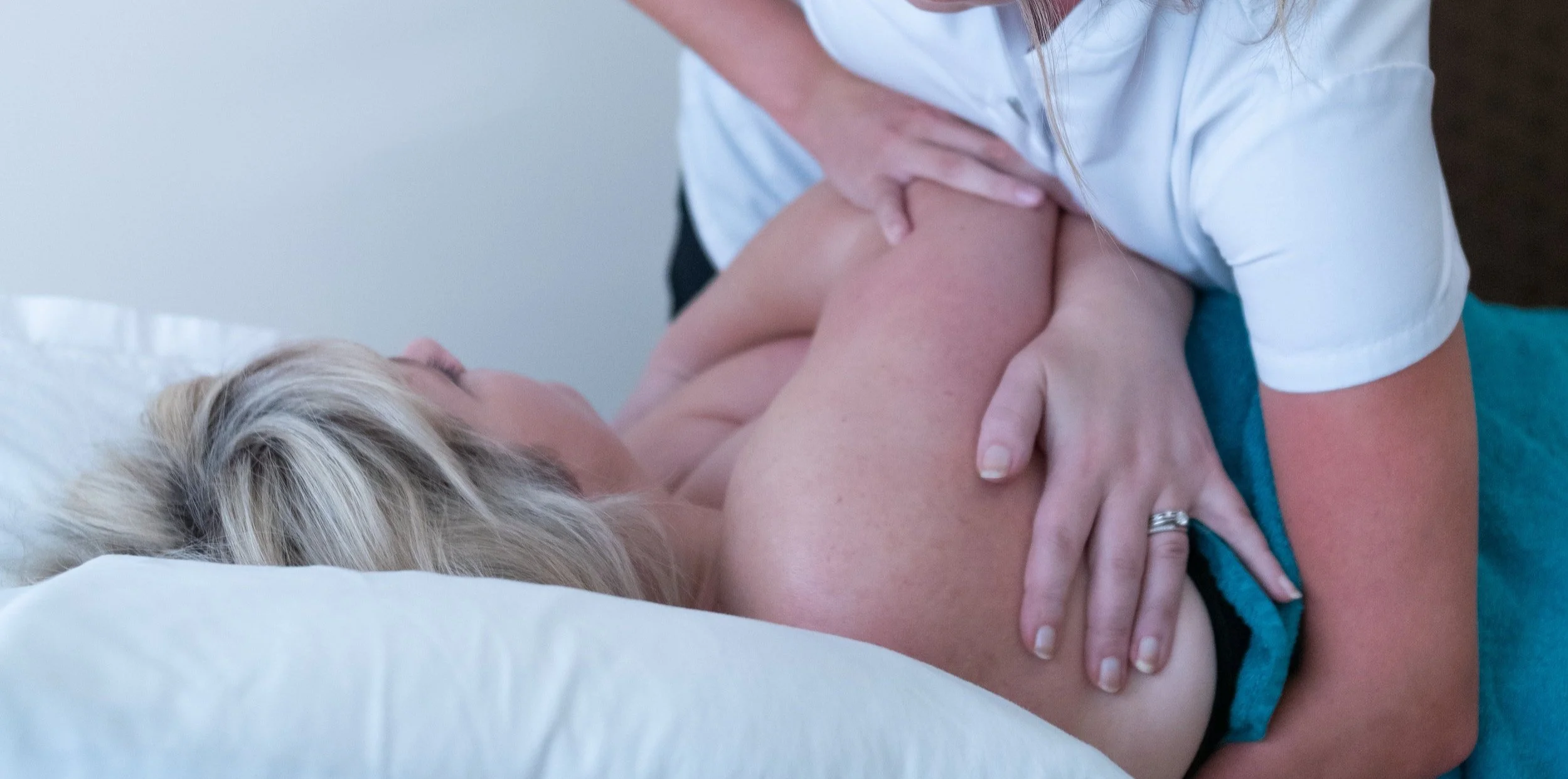
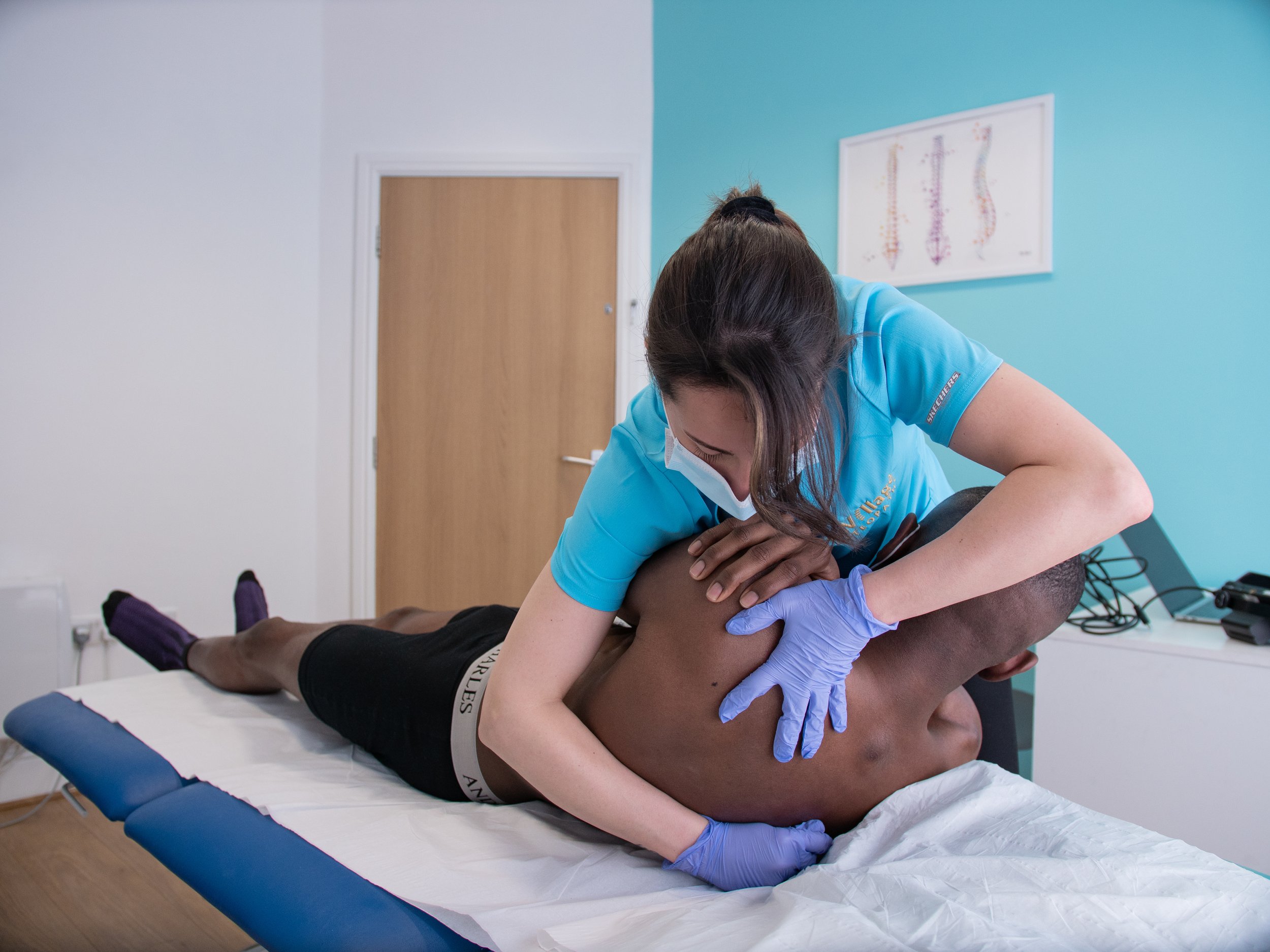
Osteopathy focuses on identifying the underlying cause of pain rather than simply treating symptoms. It is commonly used to help with back pain, neck pain, joint problems, and other musculoskeletal conditions, supporting the body’s ability to move and function more comfortably.
We provide experienced osteopathic treatment for adults, children, and babies, as well as support for sports teams and workplace wellbeing. Our approach is hands-on, tailored, and guided by careful assessment and enabled patients access to consistent, high-quality treatment.
What can Osteopathy help?
Osteopaths are medical professionals and are trained clinically assess and triage if osteopathic treatment is suitable. For many people, osteopathic treatment can help relieve a wide range of musculoskeletal pain and movement-related conditions, including:
Back and neck pain
Sciatica and nerve pain
Whiplash-related symptoms
Sports and exercise-related injuries
Muscle tightness and general aches
Persistent aches and pains that don’t settle
Foot, ankle, knee and hip pain
Work-related aches and postural strain
Headaches and tension-related discomfort
Upper and lower body joint pain
Stiffness and reduced mobility
Restricted movement affecting daily activities
What is the Musculoskeletal system?
This is the parts of your body that help you move - including your muscles, joints, bones, ligaments, and nerves.
Osteopathy for adults
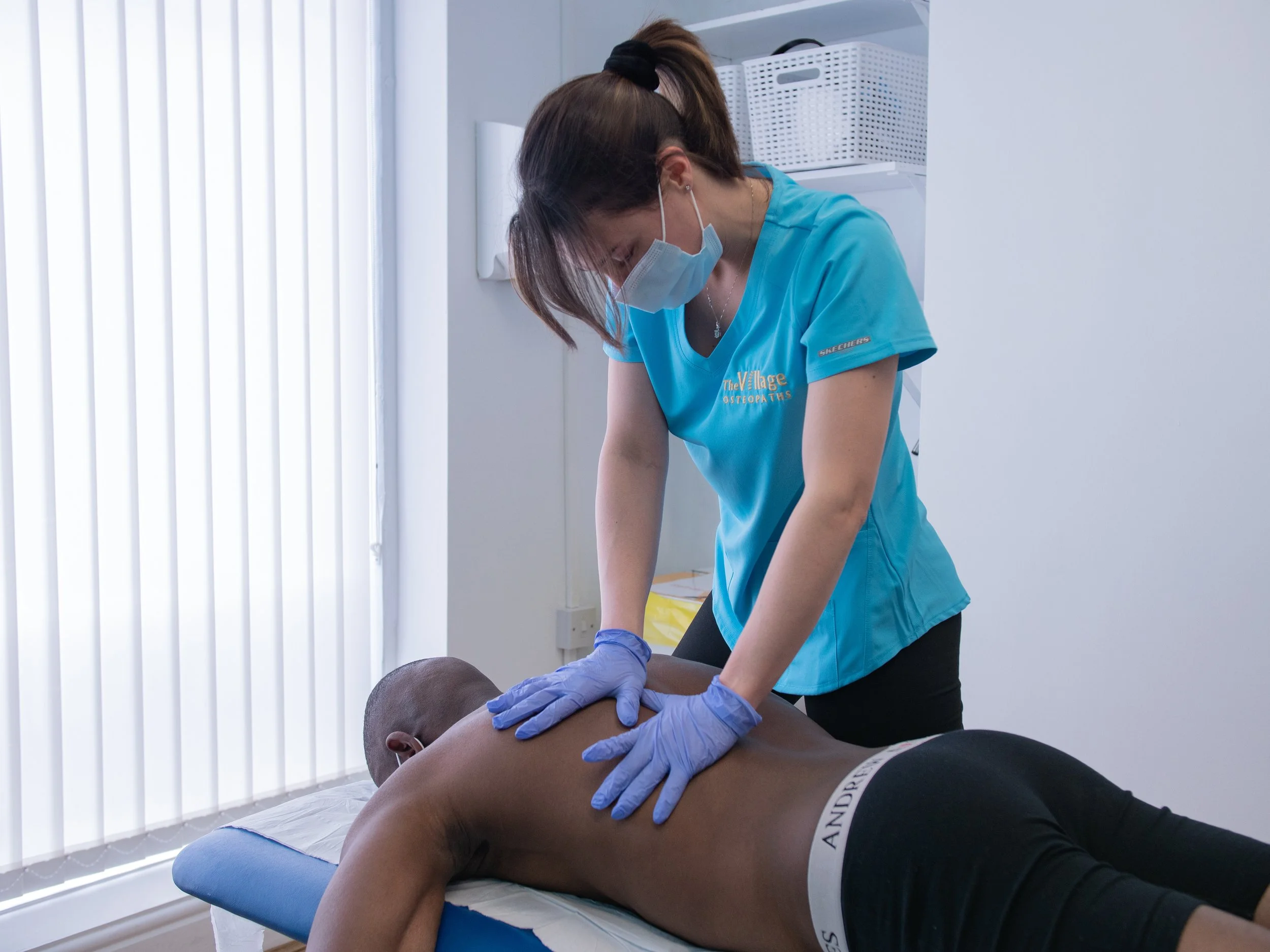
Whether your pain is a new injury or an issue you’ve lived with for a while, osteopathy can help. Osteopaths effectively treat both acute injuries and chronic conditions, whilst looking to get to the bottom of your issue to help improve your daily life by reducing pain and discomfort.
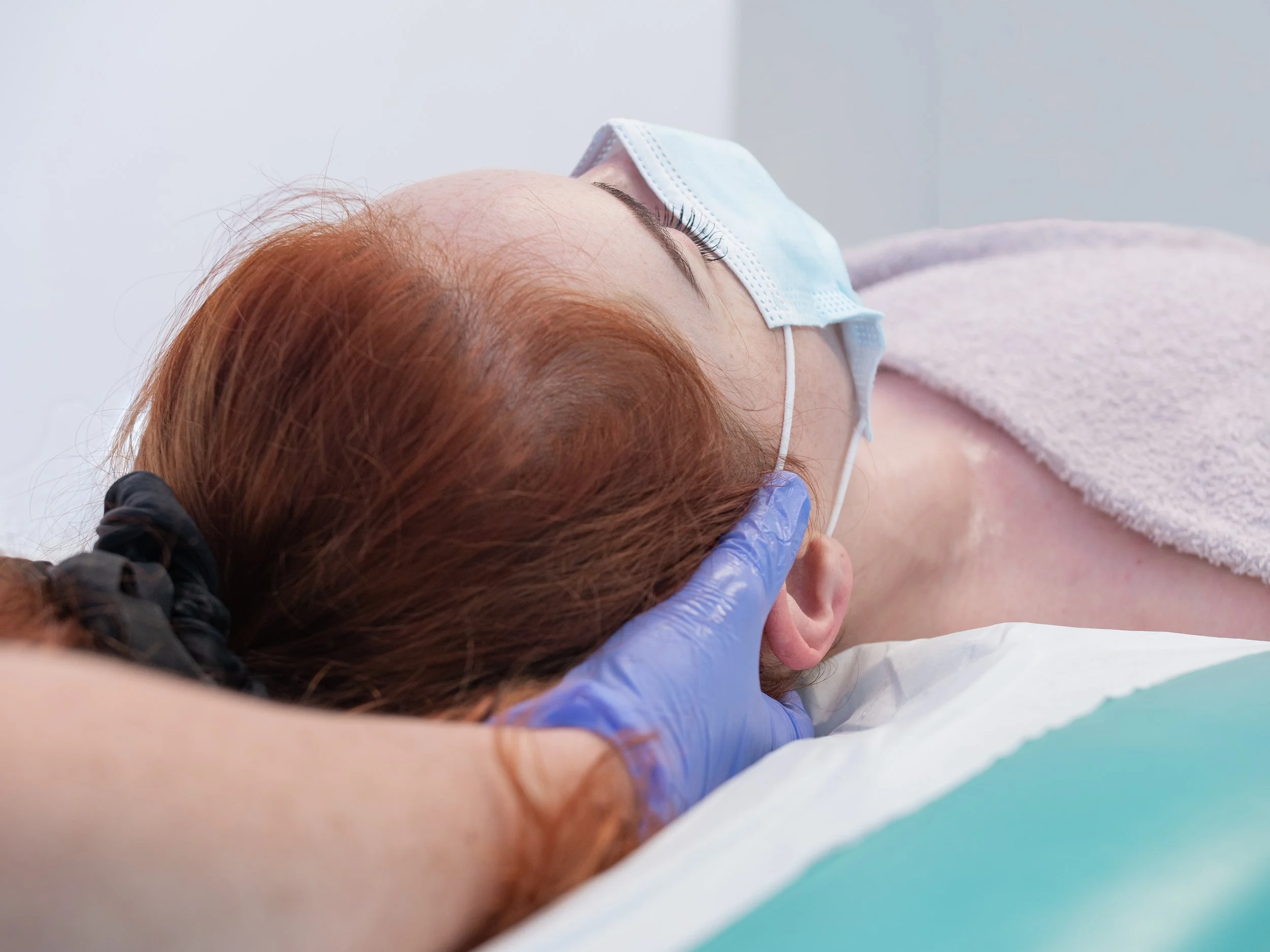
Cranial Osteopathy
Cranial Osteopathy is a gentle therapy and is used on adults as well as very young babies and children. Cranial Osteopathy is a refined and subtle treatment using very gentle pressure to the head and spine to encourage the release of stresses and strains throughout the body. Some research points to the belief this cranial rhythm is the glymphatics or the lymphatic drainage of the brains, which points to its affects on other areas of the body and not just the cranium.
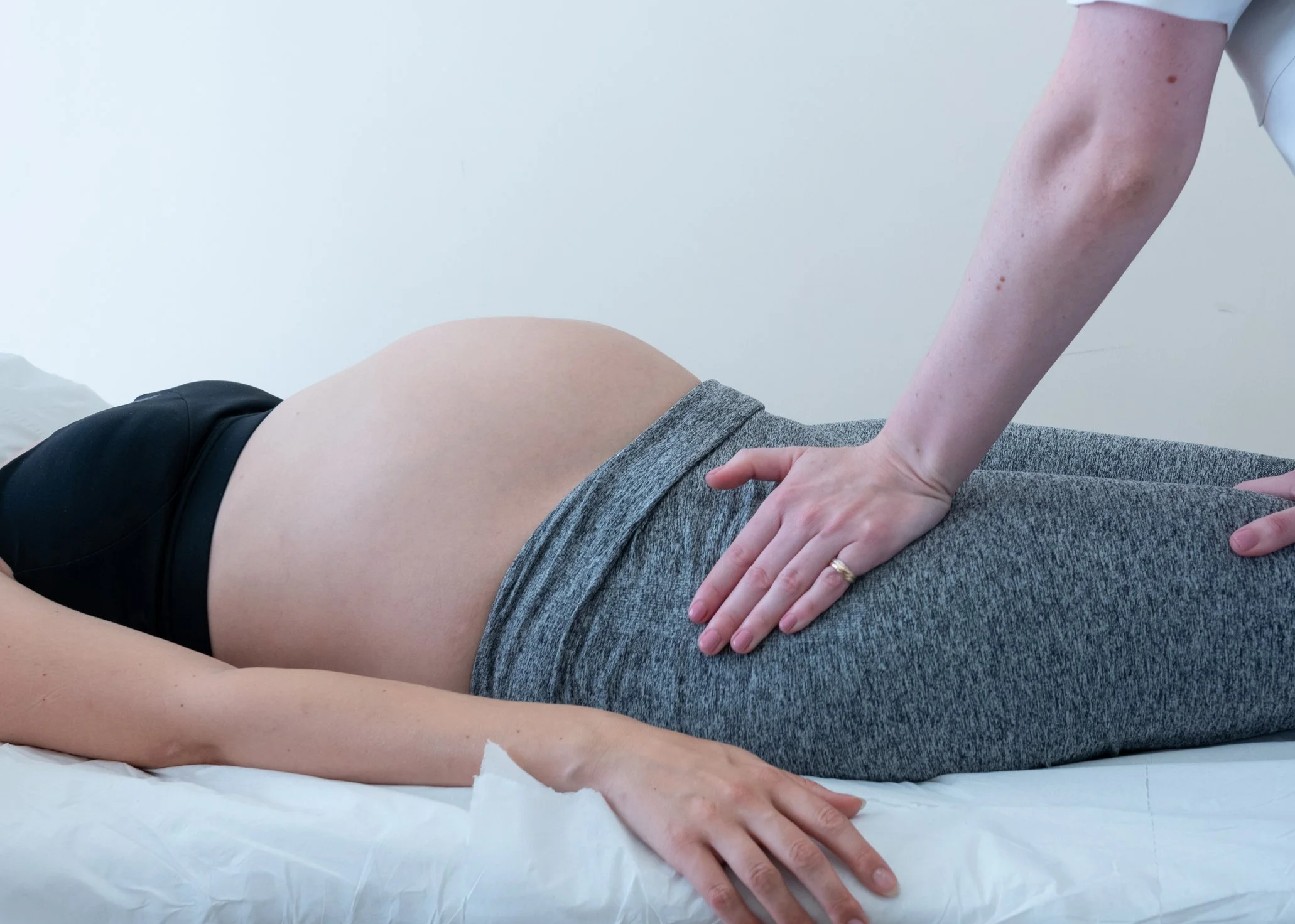
Osteopathy for pregnancy
As an expectant mother you are prepared for your world to change dramatically, and the same goes with your body. Your body changes rapidly during pregnancy; you will see your body changing by the day and whilst it’s common to feel aches and pains, it doesn’t mean it is something to ignore. These aches and pains can be caused by your body struggling with the rapid physical, chemical and emotional changes and the extra pressure on your muscles, joints and connective tissues. Osteopathy helps your body cope with these changes and prepare your body for a natural birth.
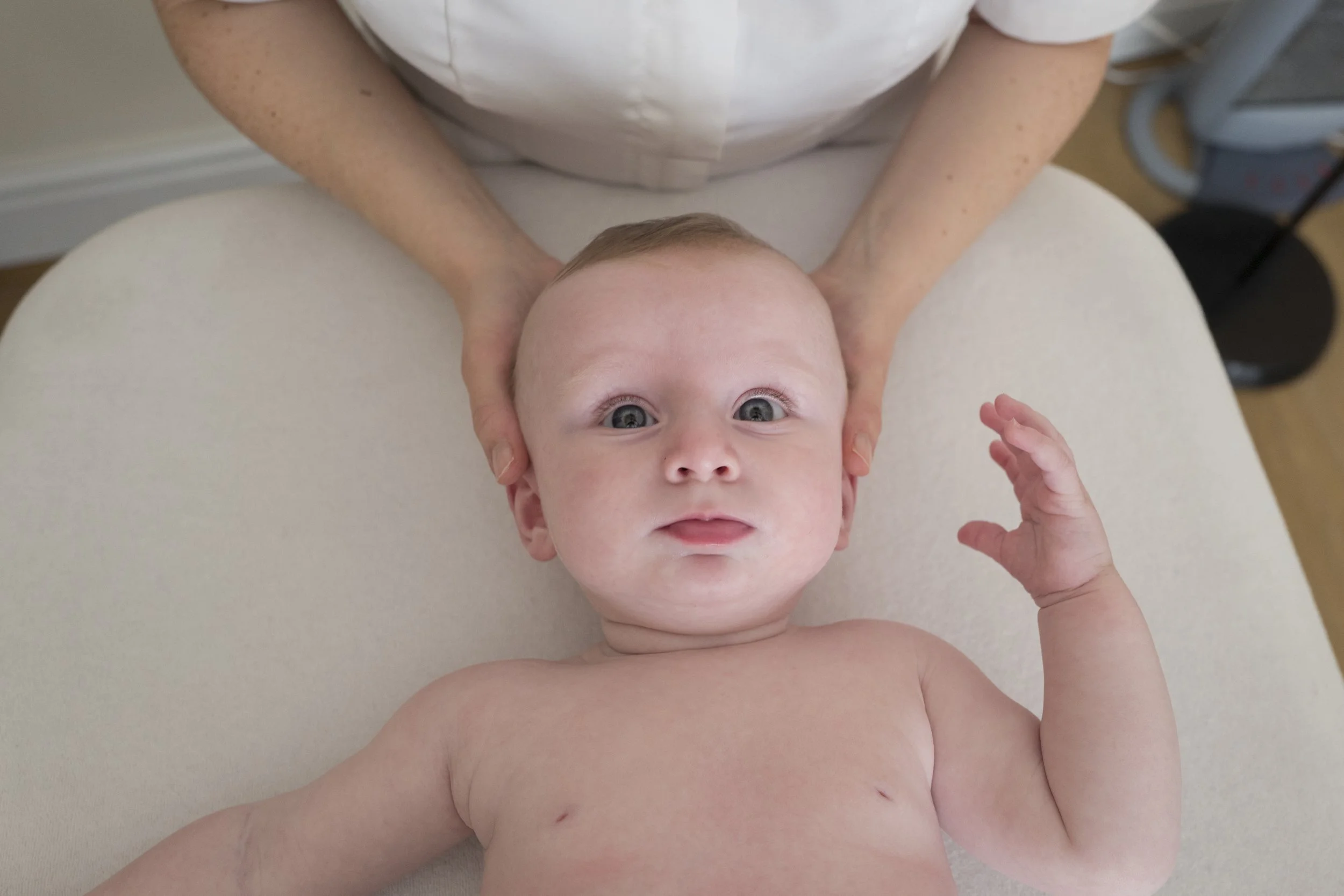
Osteopathy for children & babies
From conception to reception, we help mothers on their pregnancy journey to prepare for birth and help in early motherhood. We also provide effective, soothing treatment for babies the best start in life.
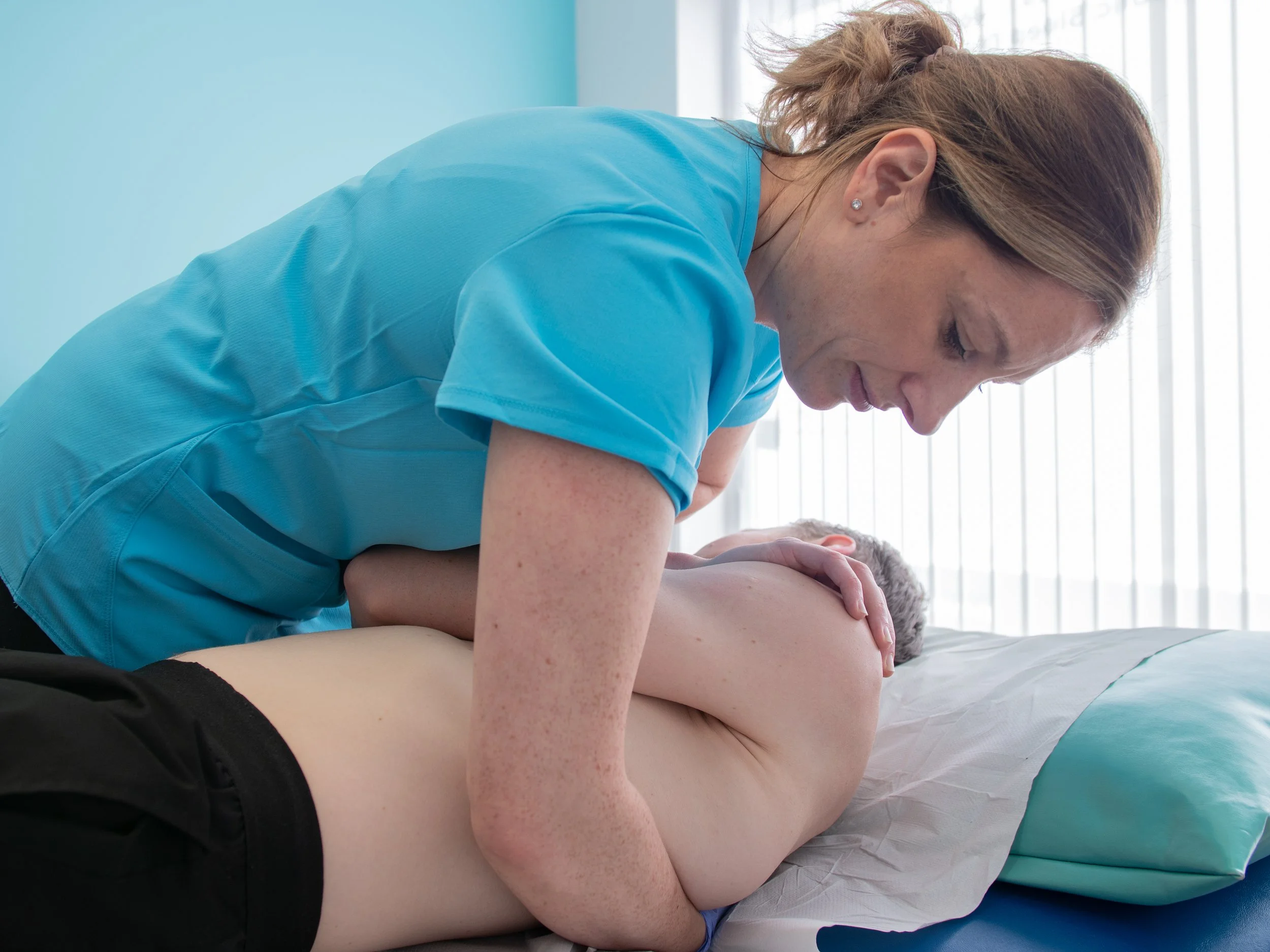
Osteopathy for the elderly
Patients in their advancing years want to enjoy life to the full and not be held back by pain or discomfort. Many patients visit us to help for effective treatment with muscle or joint pain so they can remain active and continue to enjoy life.

Osteopathy FAQs
-
Osteopathy is an Allied Health Profession and is regulated by the General Osteopathic Council (GOsC), it is safe and suitable for patients of any age.
Our osteopaths are experienced and provide excellent care for patients of different ages and background. We have treated babies as young as four days old up to patients nearing 100.
Our effective osteopathy treatment is designed to help different generations overcome pain and discomfort, improve their daily lives for long-term benefits.
-
Osteopathy uses non-invasive, hands-on methods to detect and diagnose your problem, methodically locating the root cause of your issue and why it’s causing you pain.
For example, if you have knee pain they will treat your knee - but will consider your pelvis, posture and lower limbs to determine why this pain is being caused.
Sometimes it’s a rolling diagnosis due to the pain and swelling, say, hiding the root cause. But, this methodical approach aids treatment to achieve long-term relief and to avoid relapse.
-
Osteopaths treat damaged parts of the body's tissues and joints using techniques like massage, joint mobilisation and articulation, muscle stretching, to name a few. Osteopaths examine joints and muscles using palpation (touch), observing posture and range of movement to detect and diagnose damaged parts of your body's tissues and joints. Treatment encourages your body’s own healing mechanisms to alleviate pain. Such as improving your joint mobility to boost blood and nerve supply to tissues and
-
When you make an appointment you are emailed a secure Medical History Form, consent and privacy form. If this is an issue we can arrange an alternative. In your appointment your osteopath will have assessed your forms and ask questions on issue which has led today’s appointment and pertinent questions into your health history. Your osteopath is aiming to build a clear picture of your problem in the context of your health and background, before they physically assess the extent of the issue.
-
Consultation: When you make an appointment you are emailed a secure Medical History Form, consent and privacy form. If this is an issue we can arrange an alternative. In your appointment your osteopath will have assessed your forms and ask questions on issue which has led today’s appointment and pertinent questions into your health history. Your osteopath is aiming to build a clear picture of your problem in the context of your health and background, before they physically assess the extent of the issue.
Assessment: Your osteopath will begin assessing the problem area, taking into account your muscle and joint restrictions, your posture, range of movement and what is affecting your problem area. At this point, like any medical examination, you will likely be asked to undress to your underwear or remove some items of clothing to better view your problem. Your osteopath may carry out further tests such as checking your reflexes, blood pressure and neurological testing. This helps rule out any red flags, before giving your diagnosis.
Treatment: Your osteopath will use a combination of manual techniques like massage, stretching, joint articulation or manipulation and exercises to treat your pain and problem. Treatment will last the remainder of the 45 minute appointment - roughly 15-20 minutes - and your osteopath will advise on your treatment plan before you leave. It is highly likely your osteopath will book a follow-up appointment with you in order to assess your body’s reaction to treatment and to progress with the outlined treatment plan.
-
This varies from person to person and depends on your condition, how long you’ve had it, and how your body responds to treatment. Your osteopath outline a personalised course of treatment aimed at resolving the problem and reducing the risk of recurrence. In follow-up treatments they review your progress and adjust the plans as neccessary to achieve your recovery and long-term results.
-
No, osteopathy treatment isn’t painful. It is common for patients to experience some post-treatment soreness or discomfort for up to 72 hours. We provide advice and support to try and keep symptoms minimal, as your body begins to adapt to the treatment.
-
It really depends on your condition. Some patients feel instant relief, others feel sore for up to 7h hours after treatment. Your osteopath will give you a more bespoke answer in relation to your condition and the treatment they provide.
-
No - it is actually easier to treat patients who are not in pain as we are not inhibited by soreness or discomfort! We recommend Maintenance Osteopathy Treatments (MOTs) in much the same way you have routine dental checks. To prevent issues developing. Osteopathy is being used more frequently as a lifestyle choice and in professional sport to identify and pro-actively treat against problems developing within the body. This pro-active MOT helps a maintain a patient’s physical health so their daily lives aren't hindered by any sort of pain or discomfort, avoiding relapses and promoting long-term health. description