

Cranial Osteopathy
Cranial Osteopathy is a gentle therapy and is used on adults as well as very young babies and children. Cranial Osteopathy is a refined and subtle treatment using very gentle pressure to the head and spine to encourage the release of stresses and strains throughout the body.
Cranial osteopaths are trained to feel very subtle rhythmical shape changes in the skull and all body tissues, known as ‘involuntary motion’ or the ‘cranial rhythm’. Changes in this enables your cranial osteopath to detect areas of reduced movement, stresses or strains throughout the body.
Some research points to the belief this cranial rhythm is the glymphatics or the lymphatic drainage of the brains, which points to its affects on other areas of the body and not just the cranium.
What is cranial osteopathy?
Cranial osteopathy is a refined osteopathic specialism involving highly skilled, very light touch on the head and body to support the body’s balance and harmony. It’s not a superficial “head massage.” Instead, it’s a subtle, hands-on way of engaging with patterns of tension and stress in the nervous system and connective tissues, helping your to reduce tension and enable your body to function more smoothly.
Headaches
Migraines
Jaw tension / TMJ-related discomfort
Neck, back or shoulder pain linked with stress, posture or tension patterns
Sleep difficulties, stress, anxiety and fatigue states
Support during pregnancy and post-natal
Digestive or tension-related discomfort
Post-injury or post-trauma recovery - including physical and emotional tension release
Babies and children - reflux, feeding difficulties, unsettled sleep, colic, flat head or tension after birth
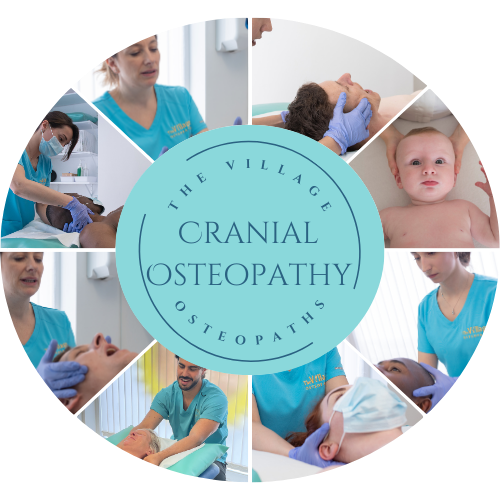
Your cranial osteopath’s hands are placed gently on or under the head and they use their palpation skills to release subtle tensions caused by accumulations of stresses and strain on the body. Patients may feel sensations of pressure or warmth, either under the hands of your cranial osteopath or elsewhere in their body. Most patients feel the gradual release of tension and become deeply relaxed.

Headaches & Migraines
Cranial osteopathy helps release stress and tension built up in your head and neck which can lead to an overstrain of muscles, causing headaches and migraines.

ENT Issues
Many patients have seen benefits of cranial osteopathy in helping to unblock ears, sinus issues and even with recurrent throat infections.

Paediatrics
Cranial osteopathy soothes babies and helps your little one recover from complicated labour and delivery. It also helps with ease sleep issues, reflux and colic. Read more here.

Anxiety & Stress
Providing gentle treatment your cranial osteopath can help reduce the affects of your fight and flight mode in your nervous system, helping to reduce stress and anxiety.

Poor Sleep
Ridding your body of tension and stress can aid sleep, and people have seen real improvements in the quality of their sleep after undertaking cranial osteopathy.

Other Issues
We get many enquiries on whether cranial osteopathy can help a particular condition due to its gentle nature. Contact us to ask and, if it’s clinically safe to do so, it could be worth trying.

Cranial Osteopathy FAQs
-
Cranial osteopathy is a gentle form of osteopathic treatment that uses very light, skilled touch. It’s based on the same principles as traditional osteopathy, focusing on how the body functions as a whole and how it adapts to stress, strain, and injury.
-
The main difference is the pressure used. Cranial osteopathy works with subtle movements and tensions within the body rather than firm manipulation. It can be particularly helpful when the body is sensitive, overloaded, or not responding well to more direct techniques.
-
Your osteopath will take a full case history and carry out an assessment. Treatment often involves gentle contact to the head and neck, but dependent on your issue your osteopathy may consider treatment to your spine, pelvis, or any other areas of the body. Purpose of treatment is to encourage the release of tension and improve balance.
-
No. Cranial osteopathy is very gentle and should not be painful. Most people find it calming and relaxing, and some feel deeply settled during or after treatment.
-
Adults often choose cranial osteopathy for headaches and migraines, jaw or neck tension, stress-related symptoms, sleep difficulties, fatigue, persistent pain, or when they feel “out of balance” following illness, injury, or long-term stress.
-
Cranial osteopathy sits within the wider osteopathic profession, which is regulated in the UK. Research into cranial approaches is ongoing, and many people choose it based on clinical experience and how it feels for their body, particularly when gentler treatment is appropriate.
-
This varies from person to person. Some people notice changes quickly, while others benefit from a short course of treatment. Your osteopath will discuss recommendations based on your individual situation and response.
-
Yes, when provided by a fully qualified and registered osteopath, cranial osteopathy is considered safe and appropriate for adults of all ages. Your osteopath will always assess whether it’s suitable for you.
-
No. You can book directly with an osteopath without a referral.