Adult Osteopathy
Are you dealing with pain, stiffness or noticing that everyday activities are becoming harder than they used to be? Osteopathy offers a practical, hands-on approach to help relieve discomfort, improve how you move and support your body in coping with the demands of modern life - whether that involves long hours at a desk, physical work, exercise, stress or simply staying active as you get older.
How can Osteopathy help you?
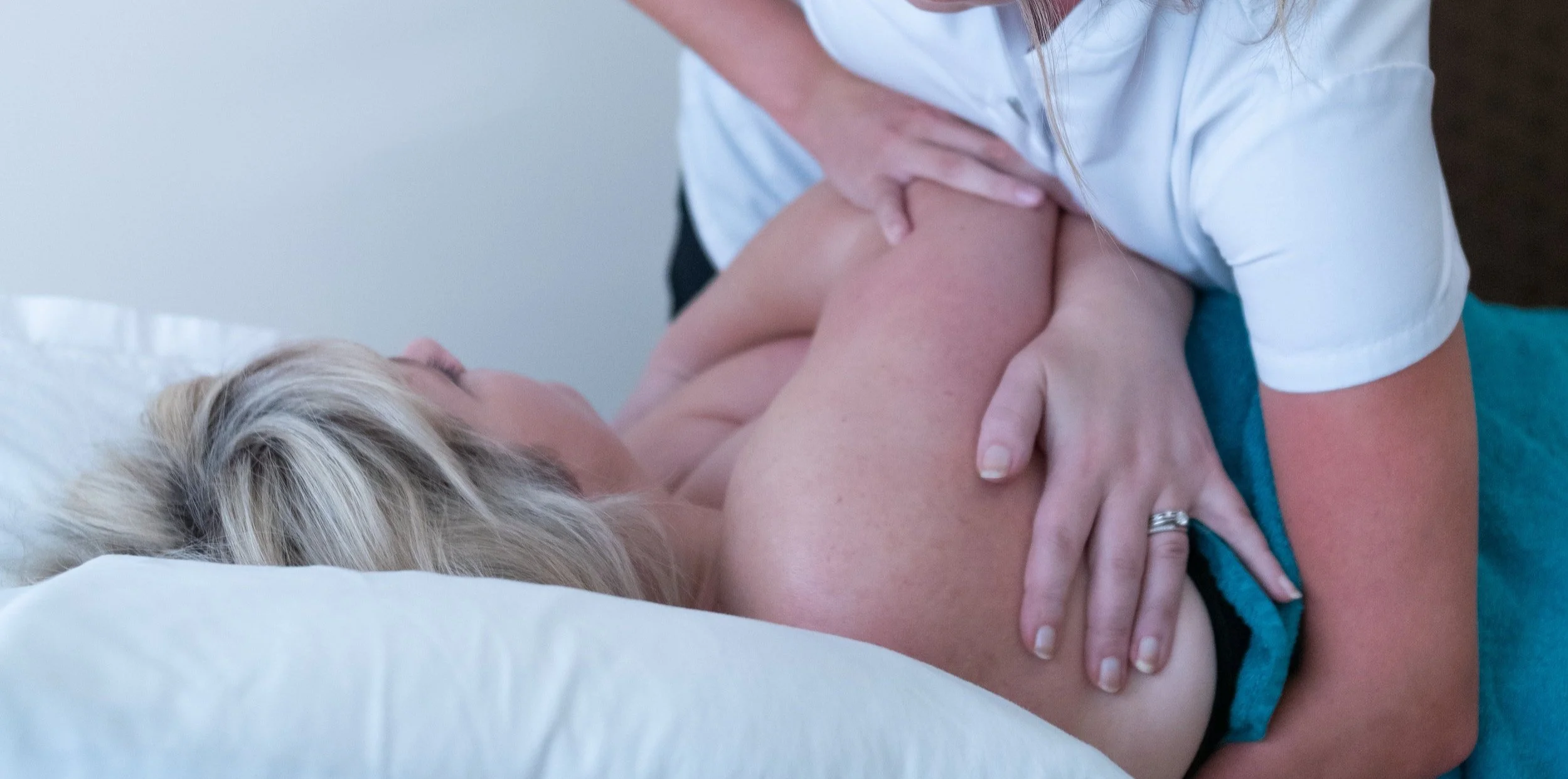
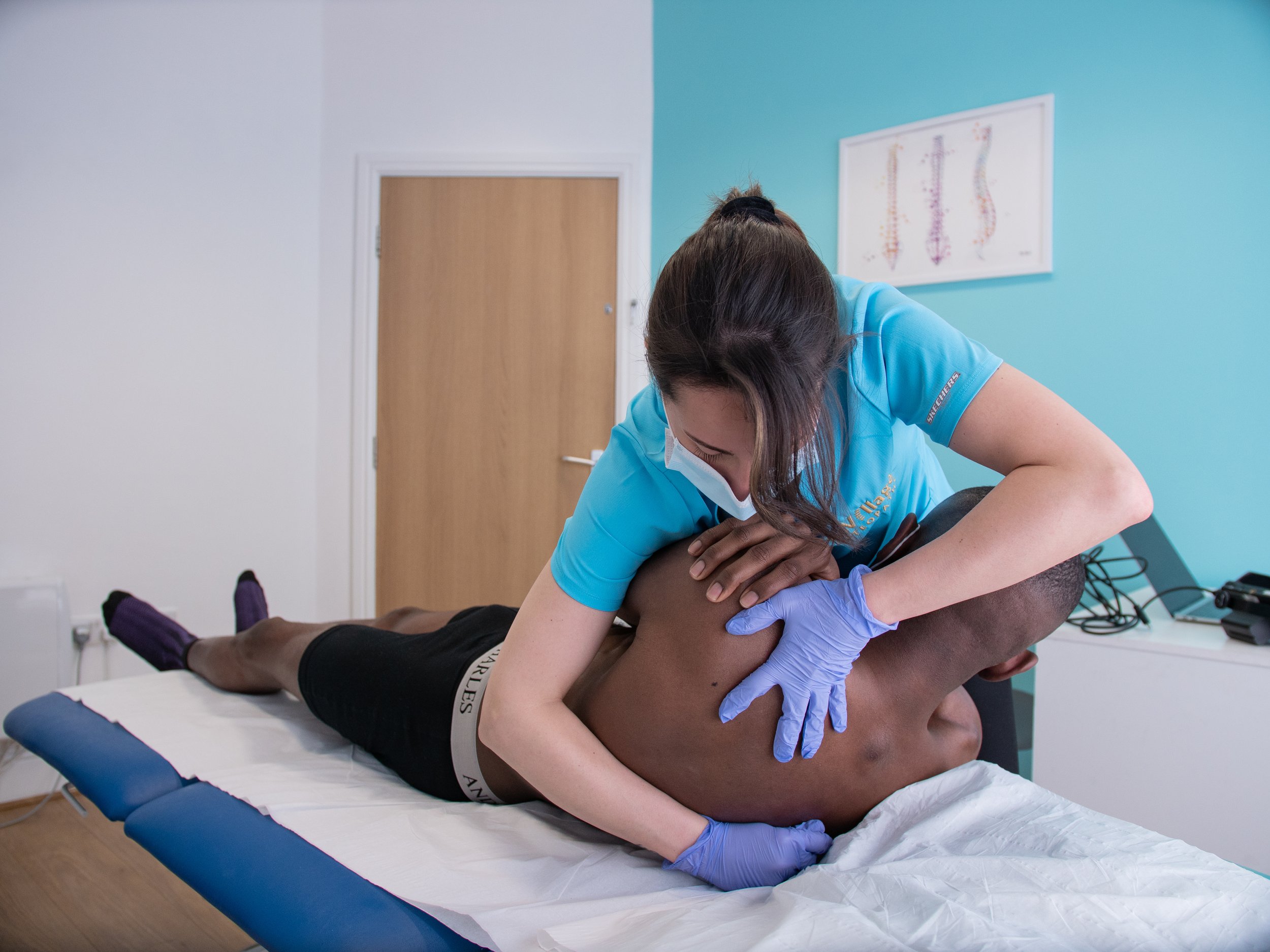
Osteopathy isn’t just about treating the area that feels painful. We treat the symptom, but we also look for the cause of your pain. Our osteopaths assess how your body has adapted over time to understand what treatments can help it work in better balance. Rather than focusing only on where it hurts, we look at how different joints, muscles and movement patterns are interacting and compensating. Through hands-on treatment we ease tension, improve movement and address the factors contributing to your symptoms, helping you move more comfortably and get back to the activities that matter. Our approach centres on:
Relieving pain: including back, neck and joint discomfort
Improve mobility: gentle hands-on and movement support to restore flexibility
Enhance posture and movement patterns: so your body feels more balanced day-to-day
Support ongoing wellbeing: advice to reduce strain and prevent symptoms coming back
This approach supports lasting improvement rather than temporary symptom relief. Many patients notice they can move more freely and feel more capable in daily life as treatment progresses. If pain or stiffness is getting in the way of your routine, osteopathy may be a good option for you.
What to expect at your appointment
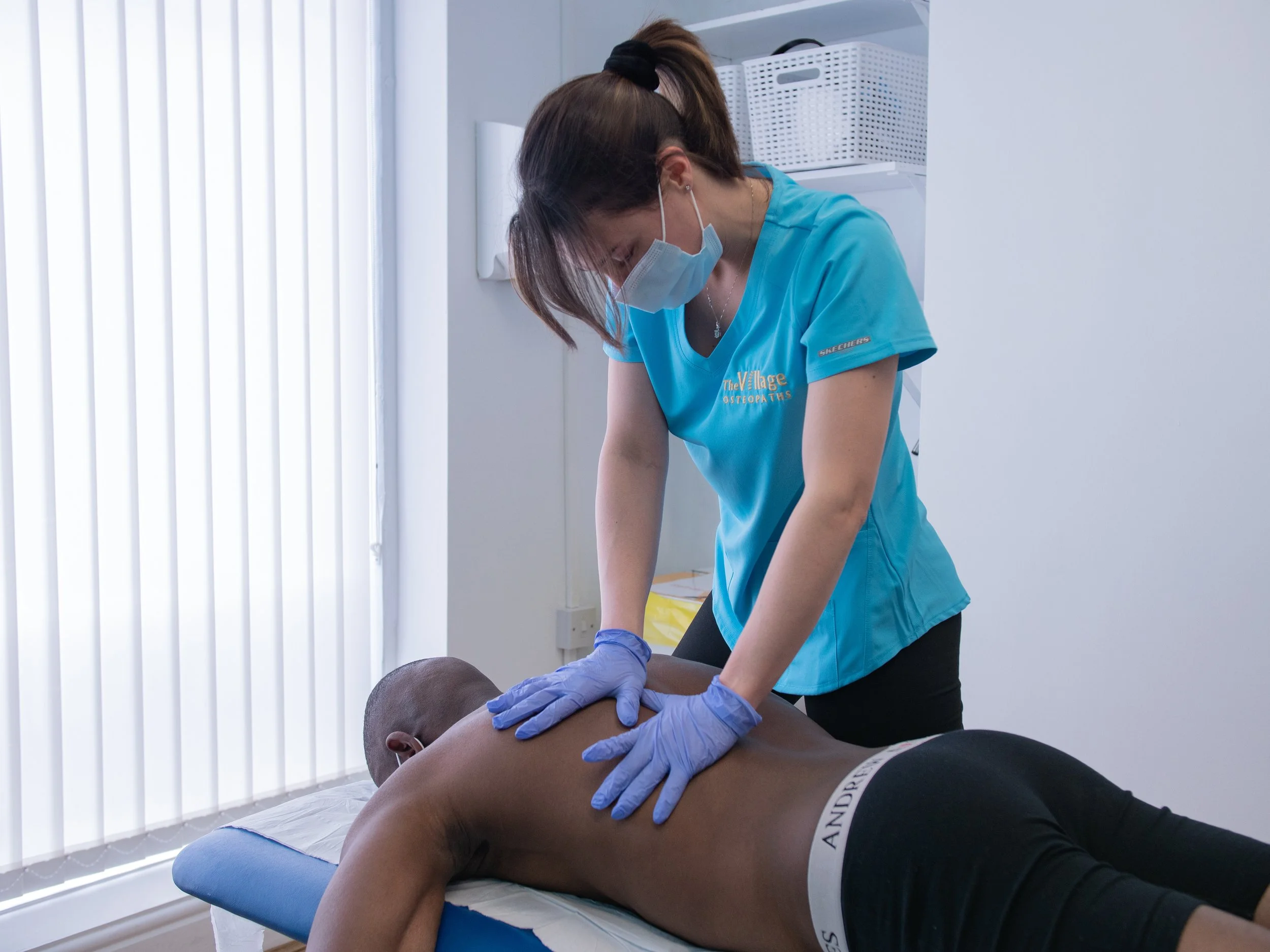
Your first visit begins with a detailed conversation about your symptoms, goals and medical history, followed by a movement and physical assessment to see how your body moves and where restrictions may be contributing to your symptoms.
Treatment is included in this initial session and is hands-on, using techniques such as soft tissue work, mobilisation and gentle manipulation (if appropriate) so your recovery can begin straight away. Some people feel an improvement soon after treatment, while for others it may take a little longer as the body responds and settles. From here, we create a tailored care plan which may include:
Movement support: posture, flexibility and functional guidance
Lifestyle and ergonomic advice: practical strategies to reduce strain and prevent recurrence
Self-care support: recommendations to help you between treatments
Ongoing appointments build on your progress with treatment and regular reassessments, allowing us to adapt your personalised plan and support your journey toward improved function, resilience and pain-free movement. We guide you through every step so you feel confident and informed.
Who can benefit from osteopathy treatment
Office-based worker: Back or neck discomfort that creeps in after long days sitting at a desk. Osteopathy helps ease tension, improve posture and reduce discomfort linked to prolonged sitting.
Recreational runner: Back pain that appears during or after longer runs or training sessions. Treatment focuses on movement mechanics and reducing compensatory patterns so you can stay active with less discomfort.
Recurring back pain flare-ups: Pain that comes and goes with activity, stress or daily movement. Osteopathy aims to address underlying contributors and build resilience to make flare-ups less frequent.
Older adult with stiffness: Reduced mobility or stiffness making bending and walking more difficult. Treatment helps restore movement and supports more comfortable, confident daily activity.
Manual/physical worker: Back pain after lifting, carrying, or repetitive physical tasks. Osteopathy helps reduce tension, improve how you move, and ease the strain placed on your back.
Why choose osteopathy here
At The Village Osteopaths we don’t just treat symptoms. We look for the reasons your body is struggling and help you build better movement and comfort over time. Whether your pain is new or long-standing, we provide personalised care and practical guidance suited to your daily life and goals.
If you’re unsure whether osteopathy is right for you, get in touch. We’re happy to answer your questions and help you decide what’s best for your health.

Maintenance & “MOT” Osteopathy
Many patients choose to incorporate osteopathy into their regular healthcare plan, with periodic appointments even once their symptoms have settled. Similar to seeing a dentist or hygienist for oral health, or undergoing an annual physical, these sessions help maintain good musculoskeletal health and reduce the chances of problems returning.
When you’re not in pain, it’s often easier for an osteopath to see how your body interacts and compensates without the immediate influence of discomfort. This allows us to provide treatment and advice that supports better movement and performance, and helps identify potential issues before they become disruptive.
Regular check-ins also help your body cope with the ongoing demands of modern life such as desk work, physical jobs, exercise, stress, parenting and the natural changes that come with ageing. For many people, this means fewer setbacks, fewer flare-ups and greater confidence in how their body feels and functions day to day.
Patients often describe these “MOT-style” appointments as part of their routine self-care - a way to protect the progress they’ve made, stay active and support their overall health.
Not sure how often you might need treatment? We can guide you based on your goals, activity levels and how your body responds.
-
Description text goOsteopathy is an Allied Health Profession and is regulated by the General Osteopathic Council (GOsC), it is safe and suitable for patients of any age.
Our osteopaths are experienced and provide excellent care for patients of different ages and background. We have treated babies as young as four days old up to patients nearing 100.
Our effective osteopathy treatment is designed to help different generations overcome pain and discomfort, improve their daily lives for long-term benefits.es here
-
Methodical Diagnosis
Osteopathy uses non-invasive, hands-on methods to detect and diagnose your problem, methodically locating the root cause of your issue and why it’s causing you pain.
For example, if you have knee pain they will treat your knee - but will consider your pelvis, posture and lower limbs to determine why this pain is being caused.
Sometimes it’s a rolling diagnosis due to the pain and swelling, say, hiding the root cause. But, this methodical approach aids treatment to achieve long-term relief and to avoid relapse.
-
Osteopaths treat damaged parts of the body's tissues and joints using techniques like massage, joint mobilisation and articulation, muscle stretching, to name a few. Osteopaths examine joints and muscles using palpation (touch), observing posture and range of movement to detect and diagnose damaged parts of your body's tissues and joints. Treatment encourages your body’s own healing mechanisms to alleviate pain. Such as improving your joint mobility to boost blood and nerve supply to tissues and
-
When you make an appointment you are emailed a secure Medical History Form, consent and privacy form. If this is an issue we can arrange an alternative. In your appointment your osteopath will have assessed your forms and ask questions on issue which has led today’s appointment and pertinent questions into your health history. Your osteopath is aiming to build a clear picture of your problem in the context of your health and background, before they physically assess the extent of the issue.
-
Consultation: When you make an appointment you are emailed a secure Medical History Form, consent and privacy form. If this is an issue we can arrange an alternative. In your appointment your osteopath will have assessed your forms and ask questions on issue which has led today’s appointment and pertinent questions into your health history. Your osteopath is aiming to build a clear picture of your problem in the context of your health and background, before they physically assess the extent of the issue.
Assessment: Your osteopath will begin assessing the problem area, taking into account your muscle and joint restrictions, your posture, range of movement and what is affecting your problem area. At this point, like any medical examination, you will likely be asked to undress to your underwear or remove some items of clothing to better view your problem. Your osteopath may carry out further tests such as checking your reflexes, blood pressure and neurological testing. This helps rule out any red flags, before giving your diagnosis.
Treatment: Your osteopath will use a combination of manual techniques like massage, stretching, joint articulation or manipulation and exercises to treat your pain and problem. Treatment will last the remainder of the 45 minute appointment - roughly 15-20 minutes - and your osteopath will advise on your treatment plan before you leave. It is highly likely your osteopath will book a follow-up appointment with you in order to assess your body’s reaction to treatment and to progress with the outlined treatment plan.
-
This varies from person to person and depends on your condition, how long you’ve had it, and how your body responds to treatment. Your osteopath outline a personalised course of treatment aimed at resolving the problem and reducing the risk of recurrence. In follow-up treatments they review your progress and adjust the plans as neccessary to achieve your recovery and long-term results.
-
No, osteopathy treatment isn’t painful. It is common for patients to experience some post-treatment soreness or discomfort for up to 72 hours. We provide advice and support to try and keep symptoms minimal, as your body begins to adapt to the treatment.
-
Item description
-
No - it is actually easier to treat patients who are not in pain as we are not inhibited by soreness or discomfort! We recommend Maintenance Osteopathy Treatments (MOTs) in much the same way you have routine dental checks. To prevent issues developing. Osteopathy is being used more frequently as a lifestyle choice and in professional sport to identify and pro-actively treat against problems developing within the body. This pro-active MOT helps a maintain a patient’s physical health so their daily lives aren't hindered by any sort of pain or discomfort, avoiding relapses and promoting long-term health. description